
Understanding Dry Needling: A Comprehensive Guide to Pain Relief
VN
What is Dry Needling?
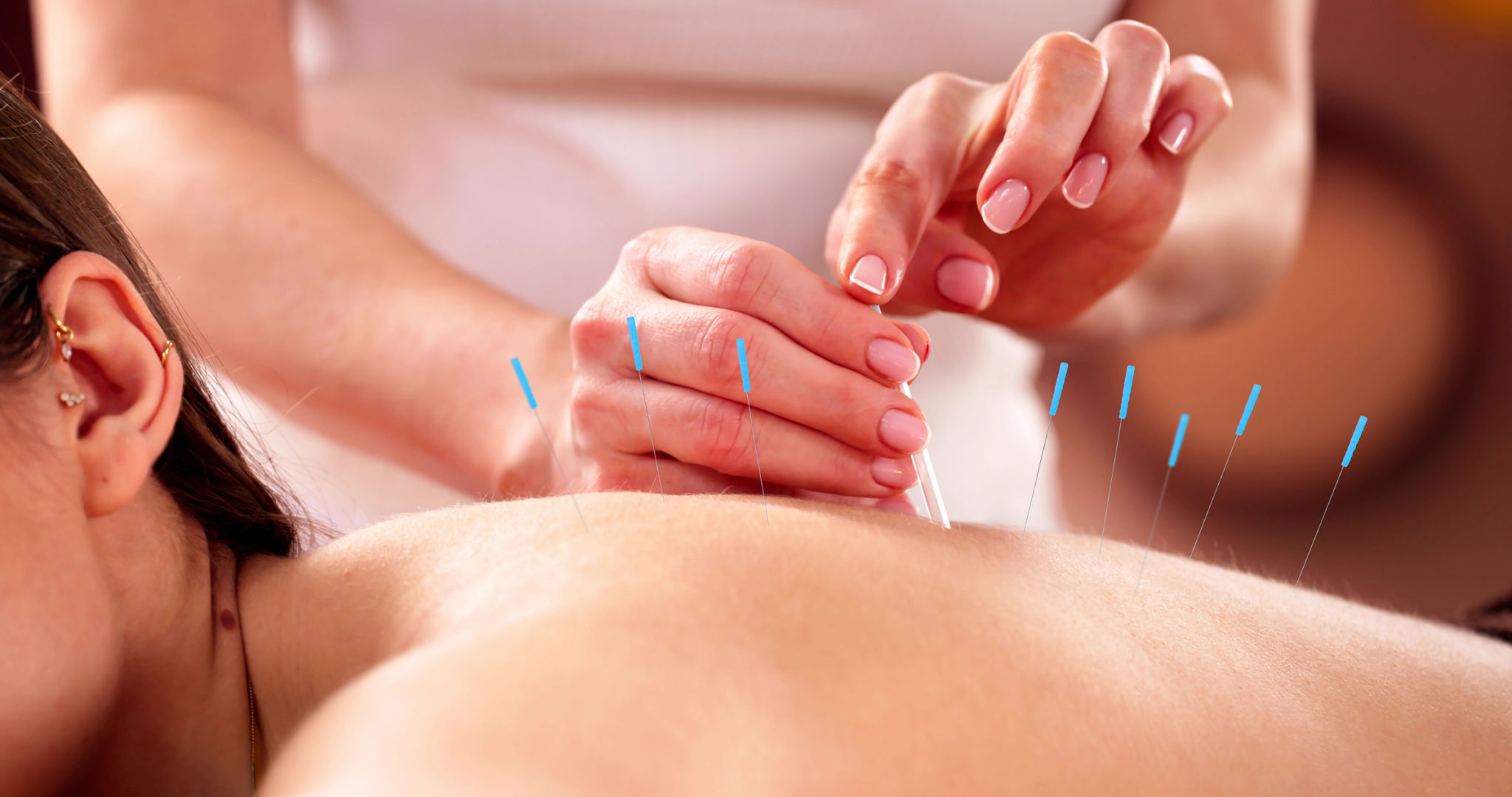
Dry needling is a therapeutic technique used by physical therapists and other healthcare professionals to alleviate muscular pain. It involves the insertion of thin, filiform needles into myofascial trigger points, which are tight bands within the muscle. This technique aims to release tension, improve blood flow, and ultimately reduce pain. Unlike acupuncture, which is rooted in traditional Chinese medicine, dry needling is based on modern Western medicine principles.
How Does Dry Needling Work?
The primary goal of dry needling is to target specific areas of muscle tightness and discomfort. When a needle is inserted into a trigger point, it can help release knots or bands within the muscle fibers. This process can lead to reduced muscle tightness, improved range of motion, and decreased pain. The needle insertion may also stimulate blood flow and provoke a healing response in the affected area.
The Science Behind Dry Needling
Research suggests that dry needling can alter the way the brain and muscles communicate, leading to positive changes in the pain threshold and muscle relaxation. It may also lead to the release of endorphins and other natural pain-relieving chemicals in the body. This makes it an effective treatment for various musculoskeletal issues.
Benefits of Dry Needling
Dry needling offers numerous benefits, especially for those suffering from chronic pain. Some of the most notable advantages include:
- Reduction in muscle tension and pain
- Improved flexibility and range of motion
- Faster recovery from injuries
- Enhanced athletic performance

Conditions Treated by Dry Needling
Dry needling is commonly used to treat a variety of conditions, such as:
- Back and neck pain
- Shoulder pain
- Tennis elbow
- Migraines and tension headaches
- Fibromyalgia
- Plantar fasciitis
What to Expect During a Session
A typical dry needling session begins with a thorough assessment of your condition by a trained practitioner. After identifying the areas of concern, the practitioner will gently insert needles into the targeted muscles. The sensation can vary, with some people experiencing a slight prick or muscle twitch. The needles are usually left in place for a short period, often ranging from a few seconds to several minutes.

Is Dry Needling Right for You?
While dry needling can be highly effective, it may not be suitable for everyone. It is essential to consult with a qualified healthcare provider to determine if this treatment aligns with your specific needs and health conditions. Individuals with certain medical conditions, or those who are pregnant, should discuss potential risks and benefits with their healthcare provider.
Conclusion
Dry needling is a valuable tool in the realm of pain management and physical therapy. By targeting trigger points within the muscles, it offers a promising solution for those seeking relief from chronic pain and musculoskeletal issues. If you are considering dry needling, consult with a trained professional to explore how it can fit into your personal health regimen.